

A FrontRunner commuter train running below the Wasatch Mountains in northern Utah, late-afternoon light on the fields

Layton web design that brings in more customers.

Layton web design should be judged like anything else you pay for: by what it brings back. We build websites for contractors, dental practices, shops and trades around Davis County that turn the people looking for you into calls, quote requests and bookings.

  • A fixed quote, in writing
  • Most sites $5,000 to $40,000
  • Starts with a 30-minute call
  • Mountain Time, like you

Where the money comes from

Your website makes money two ways.

Treat your site as a line on the books, not a brochure. What it brings in rests on two numbers: how many people find it, and how many of them call, book or ask for a quote. Move either one and your revenue moves. Move both and they multiply.

A lot of Layton web design work ends with a site that looks nicer, and looking nicer moves neither number. We're not the only website design company Layton owners can call, but every site we build is set up to move both from launch day.

  1. Lever one

    More people find you

    Google decides who shows up when someone nearby searches for what you sell. We build to Google's own guidance on how a site should be made, so yours has a fair shot at being the one they see.

  2. Lever two

    More of them get in touch

    A visitor makes up their mind fast. We write and lay out every page on how people decide (conversion psychology, in plain words), so the ones who land on your site find a reason to call and an easy way to do it.

Try your own numbers

We filled in an example to start. It isn't a result or a promise. Change any number to your own and see what each lever is worth to you.

1,500 visitors × 2% = 30 enquiries a month. The shaded box is those enquiries: stretch it either way and it grows, stretch it both ways and it grows faster.

The two levers

Example

Lever one: people who land on your site

Example

Lever two: they call, book or ask for a quote

Your business

Example
Example
Enquiries a month
30
New customers a month
12
Revenue a month
$12,000 $144,000 a year

Worked out from the numbers on this page and nothing else.

Bring your numbers to a 30-minute call. We'll look at your current site with you and talk through which lever it's leaving money on.

Lever two, on a phone

Built so the people who land on it pick up the phone.

Agencies call this conversion: the share of visitors who call, book or ask for a quote. Here's how it plays out when someone in Kaysville with water coming through the ceiling opens your site on their phone.

A sketch of a page, not a real business

  1. The first screen

    They see what you do, and where

    The top of the page names the job and the towns you cover, big enough to read at arm's length. No "welcome to our website", no stock handshake.

  2. The answers

    Their questions are answered before they ask

    Price, area, hours, how soon you can come. Make them hunt for one and they're back on Google, trying the next name.

  3. The next step

    There's one obvious thing to do

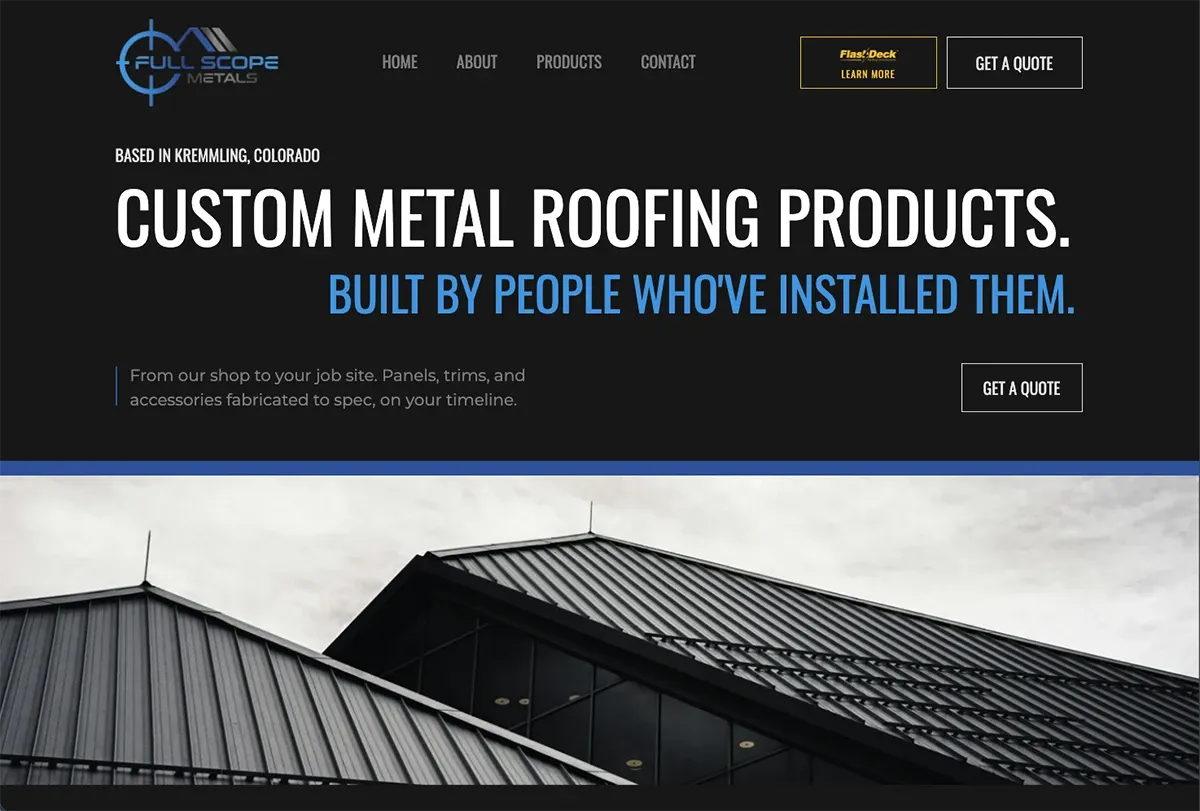
    A tap to call, or a short quote form for jobs that need a look first. Full Scope Metals, a metal roofing maker in Kremmling, Colorado, asks for four things, because contractors on a job site bail on more. Quote requests are now the main thing their site brings in.

  4. The proof

    The reasons to trust you sit right beside it

    Your license, your reviews, photos of your own jobs: next to the button, where the doubt shows up, not three taps away.

  5. The result

    And they call.

    A music school in Denver, Colorado went from 1.8% to 8.0% of visitors getting in touch, in six weeks. As published on bullfinch.io. Not a Utah business, and no promise for yours.

    On a 30-minute call, we'll open your site on a phone and walk these four steps with you.

Judge the work yourself

Sites we've built for owners like you.

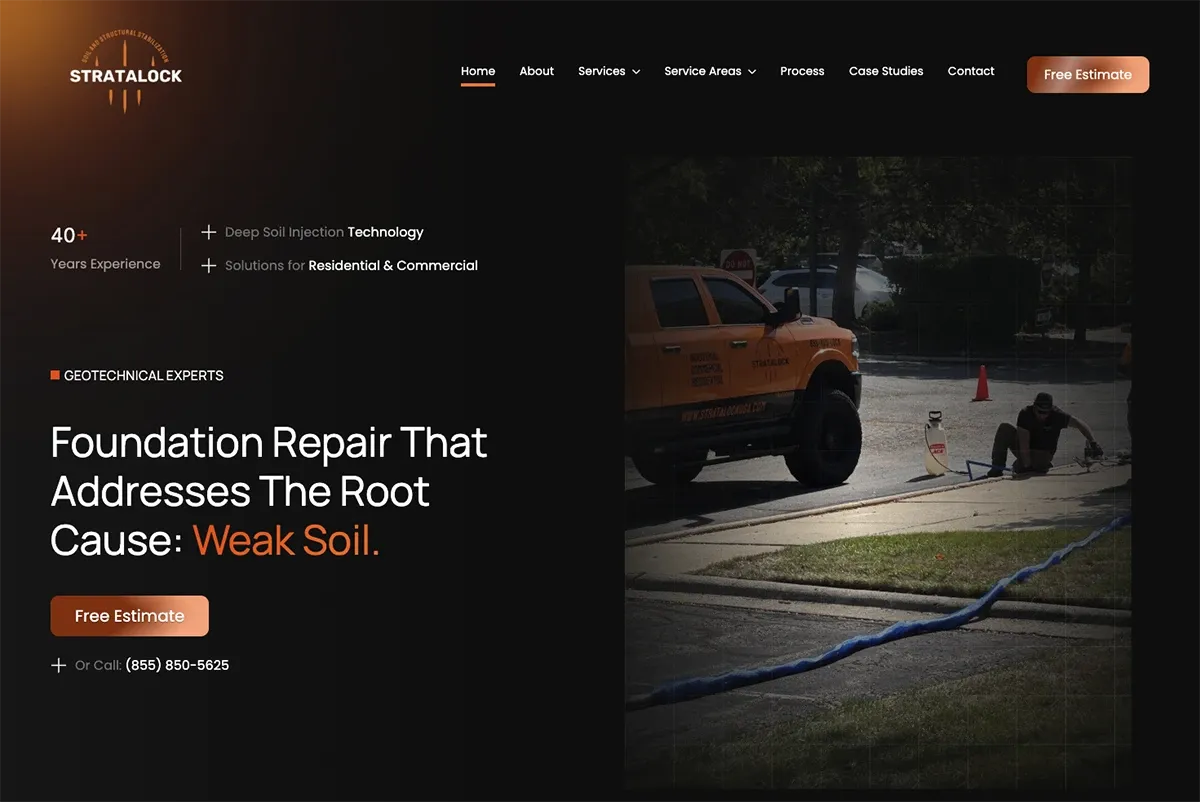
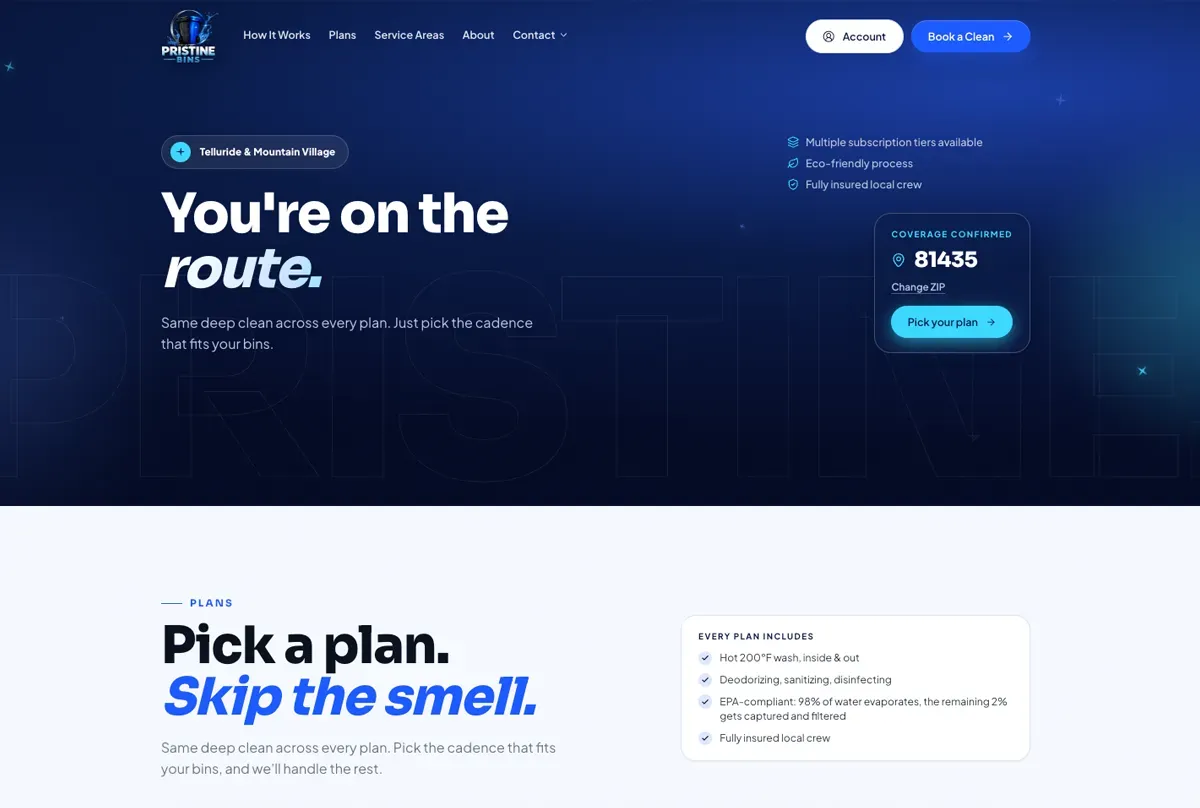
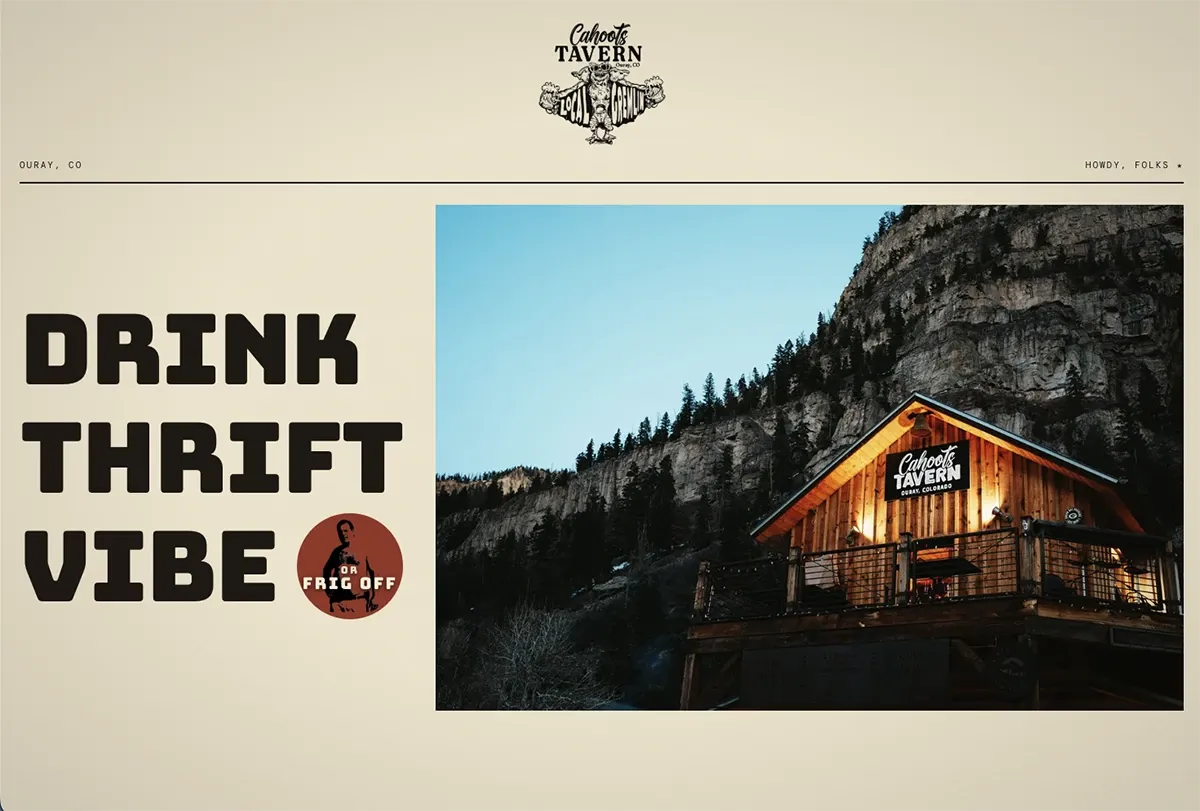
A roofing supplier, a foundation repair company, a bin-cleaning business and a tavern. They're real businesses, and every one of these sites is live right now. Open any of them on your phone.

None of these are in Utah. What we'd bring to Layton web design work is how they're built, not where they are.

See all our work

What speed is worth to you

Fast because it isn't WordPress.

A slow site costs you twice, before anyone gets as far as your phone number.

The people ready to call leave

Someone about to ring you won't wait long for a page that's still loading. One that shows up at once keeps them reading, and readers are the ones who call.

Google favours fast pages

Speed is one of the things Google weighs when it picks which sites to show, so a fast build is already helping you get found.

If your site runs on WordPress or a builder like Wix, that's no failing of yours: most small-business sites do. The drag comes from how those platforms put a page together.

  • WordPress, Wix and the like

    Assembled while they wait

    Each page is pieced together on the spot, from a theme, a database and a pile of plugins that all add code for the phone to run. The plugins want updates every week, and the theme fights anything it wasn't made for.

  • How we build

    Finished before they tap

    We build in Astro, a tool that makes every page ahead of time and sends it as a finished page, with almost no code for the phone to run. Nothing to patch every week, and a layout made for your business, not bent out of a theme.

Our sites in Google's Lighthouse speed test, on a phone, out of 100

  • 100 out of 100 Full Scope Metals Metal roofing maker
  • 99 out of 100 Cahoots Tavern Tavern in Ouray, Colorado
  • 98 out of 100 Stratalock Foundation repair
  • 98 out of 100 Lighthouse Therapeutics Behavioral health clinic in Longmont, Colorado
As published in each case study. The clinic isn't shown above: read the Lighthouse Therapeutics case study.

None of it locks you out: you still change your own text, photos and hours in the editor we set up.

More on how we build websites.

What it costs

$5,000 to $40,000, fixed and in writing.

That's where most sites we build land. Where a Layton web design project falls in that range comes down to three things, and you'll know the exact figure before you agree to anything.

What moves the number

  • How much you sell

    Each service and each town you cover gets a page of its own. Three services in one town is a smaller site than twelve across Davis County.

  • What the site has to do

    Letting customers book, ask for a quote or pay online is more to build than a page with your number on it.

  • Who writes the words

    Send us your own copy, or have us write every page. Writing is work, so it's in the price.

Your quote, after the call

In writing, within a week

What's included
Every page and feature, listed
What it costs
One fixed price
When it's done
A launch date you can plan around

No hourly meter. No surprise invoices.

How long, and how much of you

4 to 6 weeks
for a smaller site: under ten pages, a handful of services. The tavern and the roofing maker's eight pages above were quicker still.
60 to 90 days
from kickoff to launch for most sites: more pages and services, or booking, quotes or payments built in.
One kickoff call
then previews you look over on your phone. That's most of what it asks of you.

You own the domain and the site. After launch we can host and look after it, or hand it over clean for you to run. More on what goes into a small-business website.

Asking what yours would cost is exactly what the call is for.

The people on the other end

Who builds your site.

Bullfinch is two people, and they're the two who do the work. No account manager sits in the middle passing messages along. Whoever you speak to about your site is someone with their hands on it.

Kyle Rutten, who designs and builds Bullfinch's websites, behind a laptop in a brick-walled room

Designs and builds every site

Kyle Rutten

He made his first website at 14 and hasn't stopped since. The four sites above are his, from the first layout to the code that makes them quick on a phone. He's the one you talk to about what each page should say and do.

Katie Rutten, who runs Bullfinch's projects and schedules, behind a laptop in a brick-walled room

Runs every project and its schedule

Katie Rutten

She sets the dates for your project and keeps it on them. You'll hear where things stand without asking, so you're never the one chasing an update while you've got your own business to run.

We're not in Layton. Here's why that doesn't slow you down.

  • The same clock

    We're a Colorado company on Mountain Time, so our working day is yours. Email us and you get a real reply within one business day.

  • Face to face on Google Meet

    Kickoff and check-ins happen on video, so you see who you're dealing with and can share your screen when something's easier to show.

  • Every change on a link

    When we change something, it goes up on a private preview link. Open it on your phone between jobs and tell us what you think.

There's more about the two of us, and how we got here, on our about page.

The last few questions

What Layton owners ask before they book.

Price, timing and who does the work are covered above. These are the questions that tend to come next, with short, straight answers. If yours isn't here, it's a good one to bring to the call.

  • Will a new site work for a business like mine?

    It depends on where your customers are getting lost, and we'd rather find out than guess. On the call we look at what people around Davis County search for in your line of work, and what your current site does with the ones who land on it. Then we tell you plainly whether a new site is what moves your number. If it isn't, we'll say so instead of quoting you for one.

  • Will I lose my Google traffic when the old site goes?

    Not when the move is handled properly, and we handle it before launch. Google has your current pages filed under their web addresses. Before the new site goes live, we match every old address to the page that replaces it and point one at the other (that's called a redirect). Someone tapping an old Google result, a bookmark or a link on another site lands on the right new page, and Google follows the same trail.

  • You're not local. Does that matter?

    Only if you want to sit down in person: Layton website design companies can do that, and we can't. The hours, the calls and checking each change on your phone all work the same from Colorado.

  • Can I change things myself?

    Yes. A new price, a photo of last week's job, holiday hours: you make those yourself, no call to us needed. Rather not? Send it over and we'll do it.

  • What happens after launch?

    The site is yours, and so is the choice of what comes next. We can keep it hosted and running for you, or pass you everything and step back. If you later want help getting found on Google, that's a separate plan you can pick up when it's worth it to you. The site doesn't depend on it, and it's never a condition of the build.

Pick a time

Book a 30-minute call about your website.

Half an hour on Google Meet with the two people who'd design and build it. Bring the site you have now, or only the idea for one. Nothing to prepare beyond that.

Loading availability

30 minutes on Google Meet. The link comes with your confirmation email.

What the half hour covers

  • Your customers

    The words they type when they need what you sell, and which businesses Google puts in front of them today.

  • Your site today

    Where it turns up, and what a stranger sees and does once they land on it.

  • A new one

    Which pages and features it would need, and who'd write the words.

You hang up with a rough cost and a rough timeline. If you want the fixed quote, it follows in writing within a week.

Why not wait

People nearby search for what you sell every month, whether your site is ready or not. Each month it isn't found, or doesn't turn visitors into calls, that work goes to whoever does show up.

So start with the call. It's where any Layton web design project with us begins, and booking it doesn't commit you to anything.