
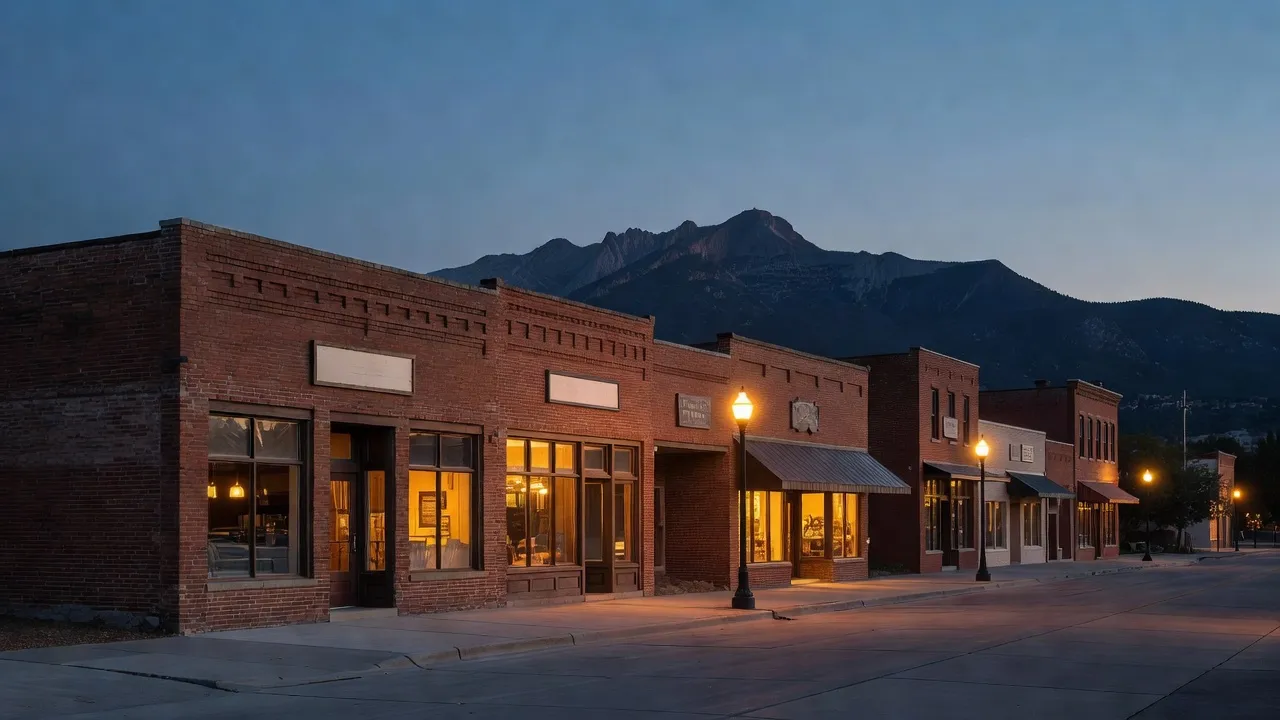
Colorado Springs web design that brings in more work than it costs
Colorado Springs web design should make the phone ring, not just look good online. We rebuild your site so more people searching in the Springs find you, and more of the ones who land on it call.
- 5.0 on Google
- Fixed-scope quote in writing
- Builds from $5,000 to $40,000
A new website is worth it when it pays you back
Most owners in the Springs already have a site, so the question isn't whether you need one. It's whether a new one would bring in more money than it costs you. That comes down to what happens after someone lands on it, and how many people get there at all.
1 · More visitors call you
Turn more of today's visitors into calls
People already reach your site from a search or a friend's recommendation. Some look, can't tell if you're the right fit, and leave without calling. You never hear about them. Winning more of those back is the quickest money a site can make, because you aren't paying to bring anyone new.
2 · New customers find you
Show up for more of the people searching
Plenty of people who need what you sell have never heard your name. They search, pick from what Google shows them, and call one of those businesses. Being on that list more often puts your site in front of customers who'd otherwise never see it.
Each half makes the other worth more. Colorado Springs web design often gets judged on looks alone, but a good-looking site nobody finds earns nothing, and a well-ranked one that sends visitors back to Google earns little. So we build every site for both from the start, not one now and the other someday.
Would a stranger know what you do in five seconds?
Be your own customer for a minute. It's January, the furnace has quit, and you've tapped the first result on your phone. Here is one heating and cooling company's homepage, built two ways. Give each one five seconds, then see what stuck.
Version A
A heating and cooling company
- What do they do? No. A welcome line and a slideshow, nothing about furnaces.
- Do they work where I am? No. No town or area anywhere on the screen.
- What do I do next? No. The phone number is down at the bottom of the page.
0 of 3. You go back and try the next company.
Version B
The same company
- What do they do? Yes. Furnace and AC repair, right in the headline.
- Do they work where I am? Yes. The whole Springs area, just under it.
- What do I do next? Yes. A call button big enough for your thumb.
3 of 3. You call them.
Same company, same work. Your customers size up your site in one glance, the way you just did, then call or go back to the results. So every page we build carries four moves.
-
A headline in your customer's words
The problem the way they'd put it when they call you, not a welcome.
-
A price range or the next step, up front
What a job usually runs, or exactly what to do now, before they have to ask.
-
Proof right beside the button
Your Google reviews where the decision gets made, not on a page they'll never open.
-
A number a thumb can tap
On a phone, your number is a big button that dials, not footer text to copy.
How would your homepage do on the three questions from the test? We'll go through it with you on a 30-minute call.
Getting found when someone in the Springs searches for what you sell
This is how the same site reaches people who have never heard your name. Google only sends them to pages it understands, so we build every page to be easy for it to read.
Ready on launch day
-
A page for every service people search for
Furnace repair, a new AC, duct cleaning: each gets its own page, so whoever searches for one lands right on it, not on a homepage they have to dig through.
-
Headings that name the job
Google reads them to work out what a page covers. The service and the area say it plainly. A welcome line says nothing.
-
Your business details, written into the code
What you do, where you work and your hours, set down in the format Google reads, so it doesn't have to guess.
-
Quick to open on a phone
Google notices how a page behaves on a phone, and so does the person holding it. Ours are built light, so they open without a wait.
-
Search Console, set up at launch
Google's own report on your site, switched on from day one, so you can see which searches show your pages.
None of it waits for a phase two. Your customers will never notice most of it, and all of it comes with the first build.
Climbing for harder searches, month after month, is separate work. That's our ongoing SEO for Springs businesses.
Built in Astro, so it's ready before they give up
WordPress is what most websites run on, and it got there by being able to do almost anything. That reach comes as a theme plus a plugin for every extra, and each one hands the phone more code to load before your customer sees much. We build in Astro instead: it puts each page together ahead of time, so a phone receives plain, light code carrying only what that page uses.
A typical theme-and-plugins build
Blank at first, then pieces drift in. A slider lands and shoves everything down, and a pop-up covers what's left.
Built in Astro
The whole page is there from the start, so the visitor has tapped Call while the other phone is still rearranging itself.
An illustration of how the two kinds of build tend to behave, not a measurement of any real site.
-
The upkeep
No plugins waiting on updates
There's no theme to wrestle when you want a section moved, and no stack of add-ons to keep patched. Simply less on the site to look after.
-
Your changes
You still edit it yourself
You log in to an admin panel where each page's words and photos sit in plain labelled fields, like Hours, in the order they show on the page. Change a field and save. New pages work the same way, with no code and no developer to ring.
-
Your rankings
Switching without starting over on Google
Coming off WordPress, Wix or Squarespace happens one page at a time. Before launch, every old address gets sent on to the page that replaced it. Google and your customers follow it there, and the site holds on to what it has already earned. After launch we keep an eye on Search Console for anything that slipped.
Three Colorado sites, each rebuilt around where customers got stuck
None of these is in Colorado Springs: they're in Kremmling, Denver and Ouray. On each one, we found out what was stopping customers before we designed a single page.
-
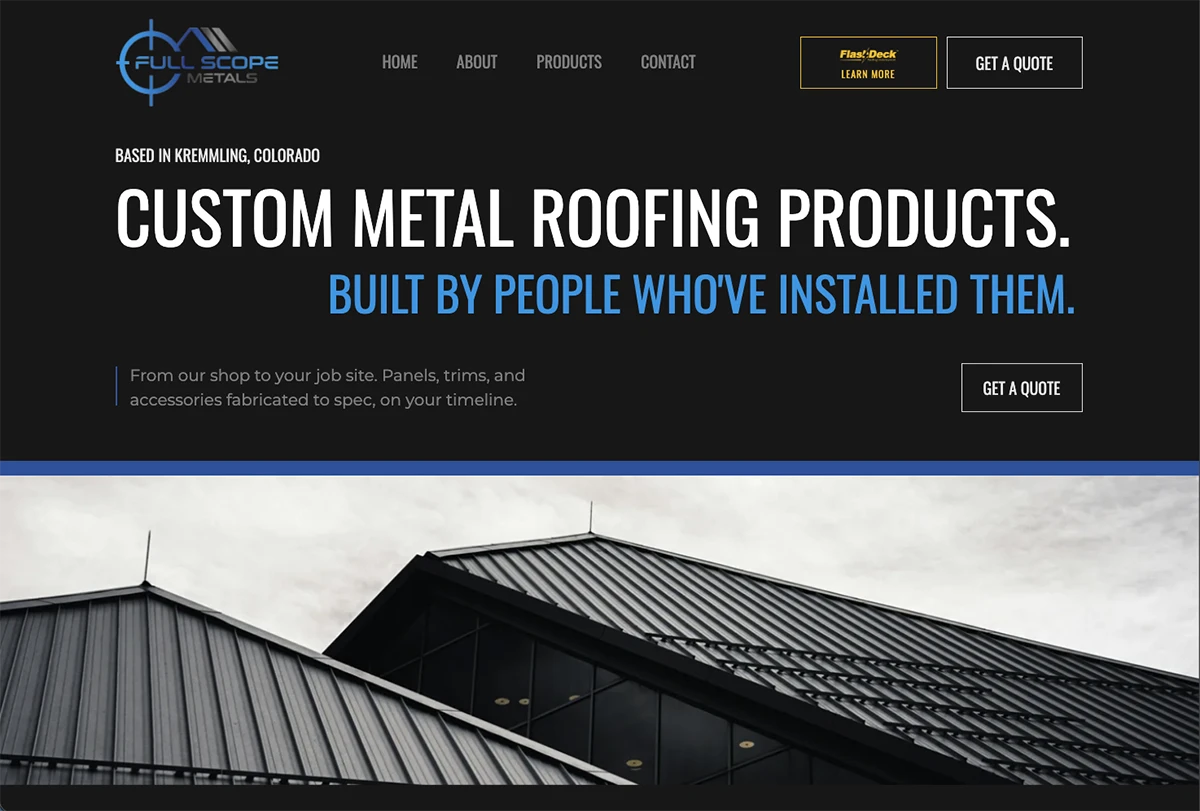
Kremmling · Metal roofing fabricator
Full Scope Metals
Their buyers are framers, roofers and builders. We phoned ones who'd ordered before, asked what they wished a supplier's site told them, and wrote the homepage around the answers. Most quote requests arrive from a phone on the job, so the form asks for four things.
- Pages
- 8
- Quote form
- 4 fields
- Google's phone speed score
- 100 of 100
-
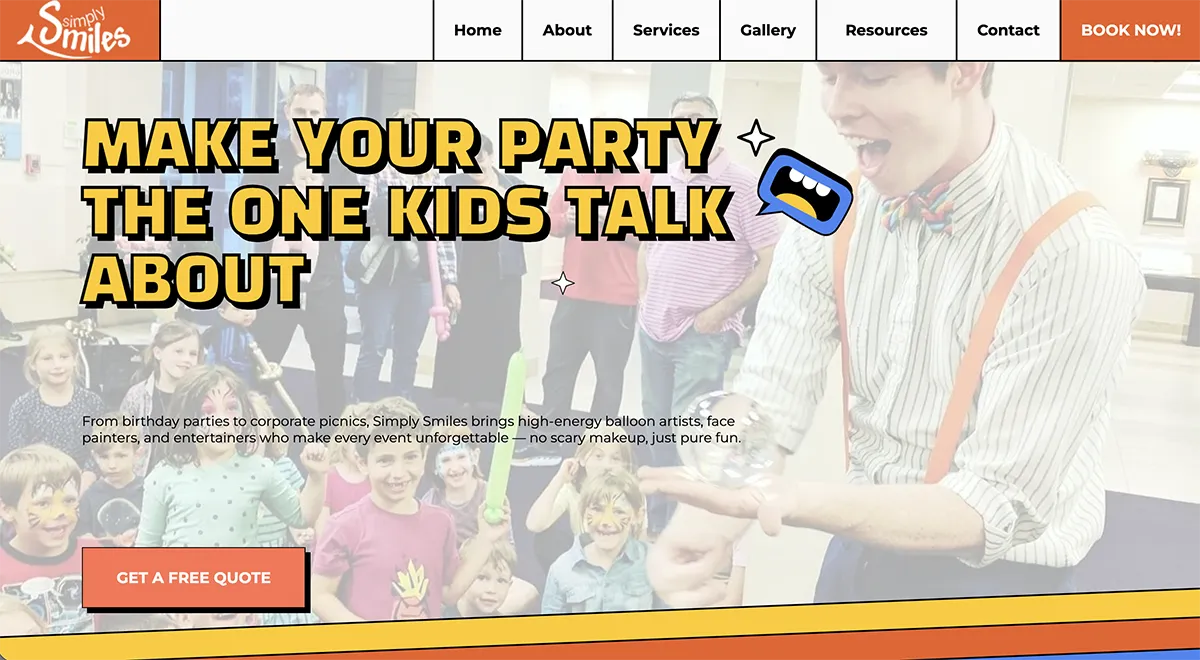
Denver · Party entertainment
Simply Smiles
Parents hesitated at the word clown, so the new site dropped it. Clown services became professional entertainment, and their booking system became the main button on every page, so a parent can book without picking up the phone.
- Word dropped
- Clown
- Booking
- Online, from every page
-
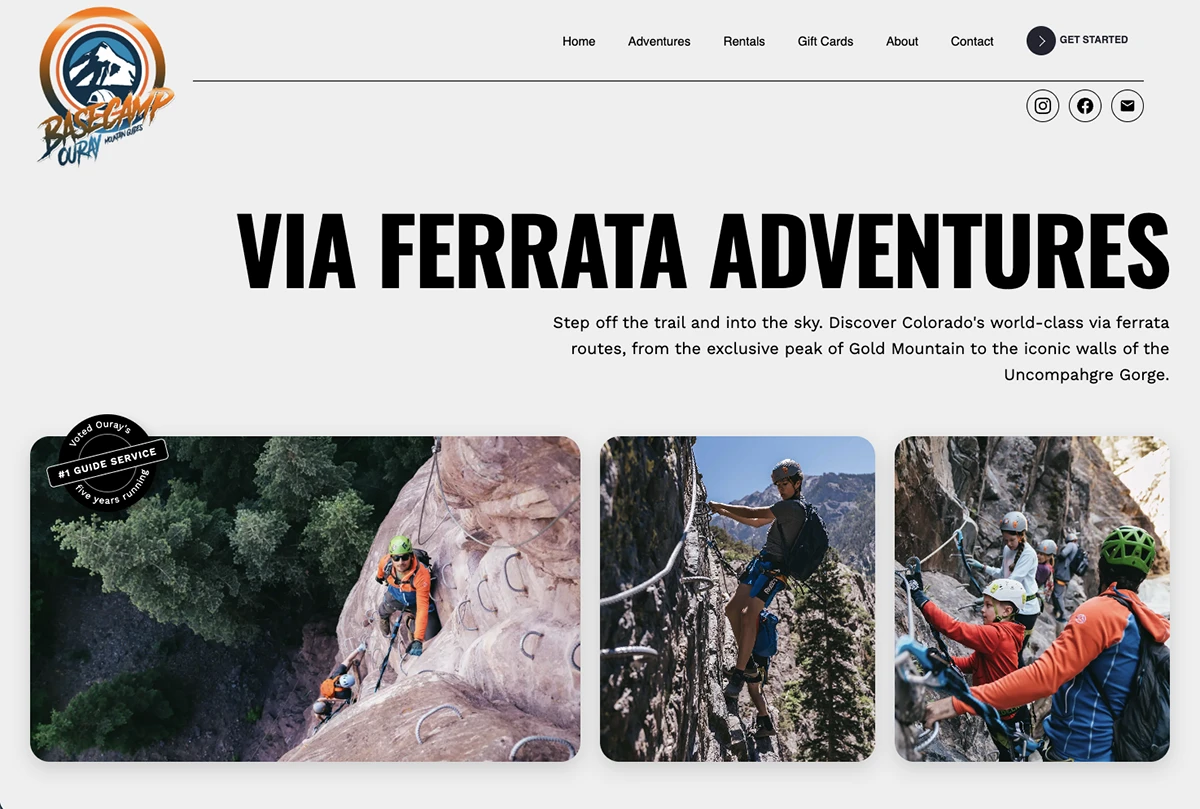
Ouray · Guided climbing
Basecamp Ouray
We watched five people who wanted a climb try to book one on the old site, and noted every spot where each of them stalled. The new flow takes all of those out: choose, book, gear up, climb, four steps on one page.
- Pages
- 12
- Booking
- 4 steps
- Google's phone speed score
- 99 of 100
You don't sell roofing, parties or climbs, but the starting point carries over: what your customers need to see, and the spot where they give up.
See all our workTwo people, and you talk to both
Bullfinch is a two-person web design studio in Ridgway, Colorado: same state as your business, same time zone. There's no sales desk in front of us. The people who join your call are the people who make your site.
-

Designs and builds every page
Kyle Rutten
Kyle works out what goes on each page and builds it himself, from the headline a customer reads first to the button they tap to call you. Ask why something sits where it does and he answers, then he's the one who moves it.
-

Runs the schedule and account
Katie Rutten
Katie keeps the build on its calendar from your go-ahead to launch, tells you when there's something new on the preview link to click through, and looks after your account once the site is live. Wondering where things stand? She can tell you straight away.
You won't be passed to an account manager or handed off once you've signed. What you explain about your customers on the call reaches the person building the page, word for word.
More about BullfinchWhat a new site costs, and how little of your week it takes
Here's what you'd pay us for Colorado Springs web design: most builds land between $5,000 and $40,000. You see your own number on paper before we start, and from there the work is mostly ours.
The price
$5,000 to $40,000
What decides your number:
- How many pages your site needs
- Integrations, like booking, payments or forms that send leads into your own systems
- Whether Google Ads or ongoing SEO is part of the work
No more than a week after the call, the scope and the price reach you in writing, both fixed. One figure for the agreed work, never an hourly meter. And if we don't believe a new site would earn back more than you'd spend, we'll tell you so rather than quote.
Four steps
-
A 30-minute call
We hear about your work and your customers, and where the site you have now falls short.
-
The quote, in writing
Scope and price, set down within the week. Nothing begins until you give the go-ahead.
-
The build, on a preview link
Pages show up on a link as they come together. Tap through them on your phone and tell us what to change.
-
Launch
The site goes live already counting the calls and form messages it sends you, with Google Search Console switched on to show which searches it appears for.
- How long
- About 60 days from your go-ahead to launch, for a typical site.
- Your time
- The call, then a few reviews of the preview link.
- What you own
- The hosting, the code and the domain all belong to you.
Your own figure, in writing, starts with one conversation.
Fair questions from owners who already have a website
Replacing something you already paid for deserves a hard look. Here is what owners in your spot ask before they book, answered straight.
-
Our site is only a few years old. Couldn't you fix what's wrong with it instead?
Sometimes that's the better move. If the trouble is a vague headline or a phone number nobody spots, changing those may be all it needs. If the trouble runs through the whole build, patching piece by piece can cost more than starting over. Bring it to the call and we'll tell you which we'd choose in your place, even if that means keeping it.
-
We come up on Google for a few things now. Do we lose that if we switch?
That's the risk the whole move is planned around. Each page you have today is paired with the new page taking its place before anything goes live, and once it's up we watch Search Console for any old link Google can't follow.
-
Wouldn't it be simpler to hire a Colorado Springs web designer we could sit down with?
If meeting across a table matters most to you, that's a fair reason to. Little of a build happens in a room, though. We talk on video, and every stage waits on a link you can open from your desk or your truck. We're in Colorado too and keep your hours, so nothing stalls on a time difference.
-
Can the person at our front desk still change our hours, prices and photos?
Yes, and that stays in your hands, not ours. Whoever handles it now gets their own login, finds the price in a box marked for it, types the new one and saves. Adding a page works the same way. Nothing on the site changes unless one of you changes it.
-
We could use help with search, maybe ads too. Is that something you do?
Yes, both, alongside the website. Ongoing SEO keeps working on the searches a new site can't win by itself on day one. Google Ads buys a place in the results right away, which can bring in calls while the rest builds up. Either one goes into the same written quote.
Something else on your mind? Put it to us on the call.
Talk through your website with the person who'd build it
Every month your site isn't earning, the customers it lets slip still need the job done. They ring whoever comes next, and you never find out they looked. Thirty minutes is enough to see whether that's happening to you.
What we cover in 30 minutes
- What you sell, and which jobs you'd most like more of
- Who buys it, and how they tend to find you now
- What your current site gets right, and where people give up on it
- Whether a replacement would pay for itself
After the call, you get one fixed price in writing before the week is out, and nothing is billed by the hour. If we don't think a new site would pay you back, that's the answer you get instead.
Whether you go ahead with us or keep the site you have, you'll hang up knowing where it stands.
Pick a day for your call on Google Meet
Loading availability
Days with open slots
No openings
We're booked solid for the next 30 days. Drop us a line and we'll find a time outside the window.
Calendar invite is on its way to your inbox. Hit reply if anything changes.
Rather talk it over by phone? Call 720-299-8584