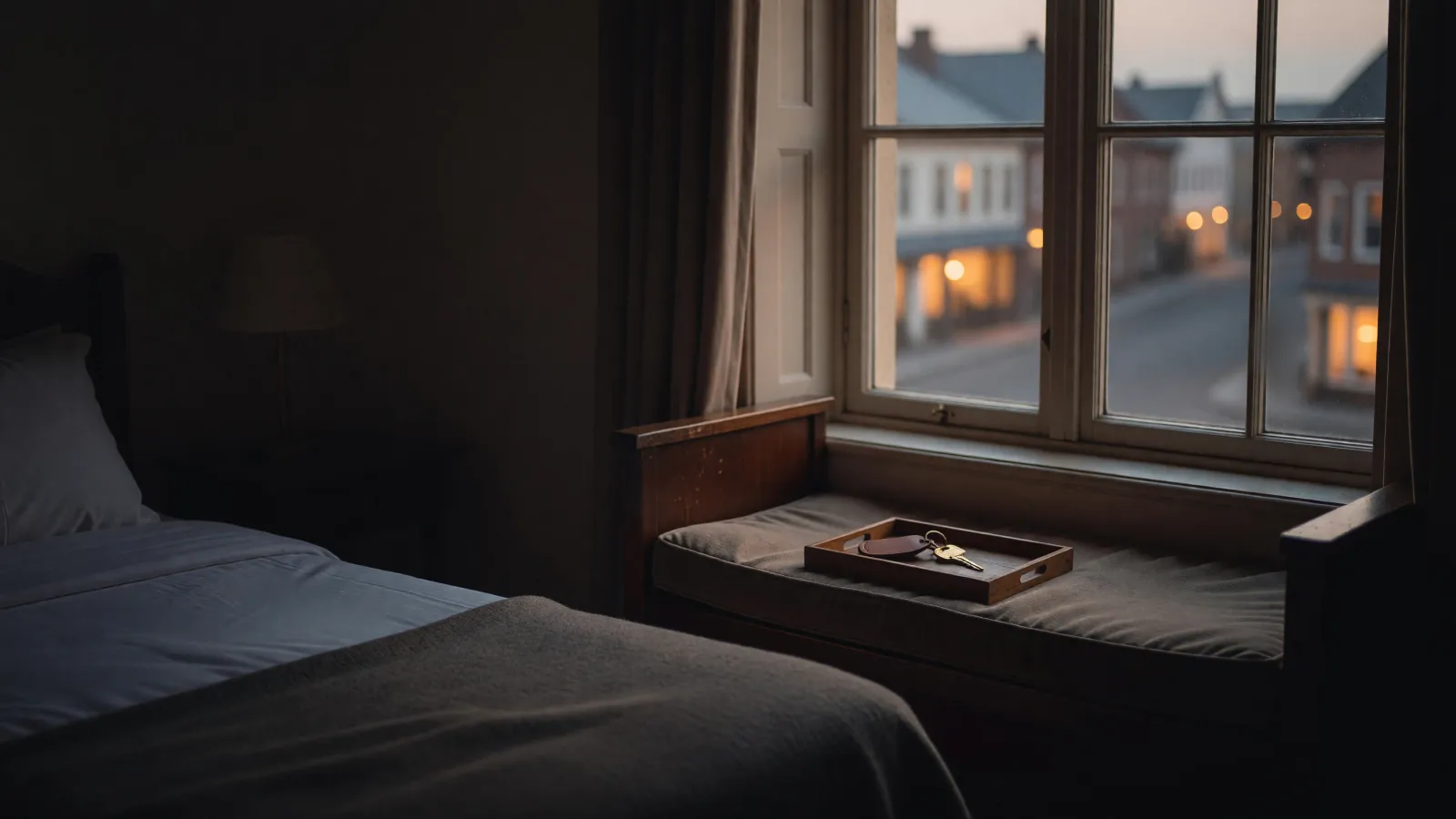
A made bed and a window seat with a brass room key on a wooden tray in a small hotel room at dusk

For independent hotels, inns and lodges

Hotel website design that books more rooms direct

Our hotel website design has one job: more of your guests booking rooms on your own site, not through Booking.com or Expedia. It's built around the booking engine you already use.

Your price is fixed in writing before we design a single room page.

Book a 30-minute call

On Google Meet, about your property

What your site is for

Every room booked on your site is a room you keep all of

Judge hotel website design the way you'd judge a room: by the nights it fills, not by how it photographs.

Two jobs, both paid in rooms

  • More of the guests who reach it book a room.

    Someone on your site has already found you. It should answer the questions they arrived with and put Book in front of them, so they don't drift back to the listing to finish.

  • More travelers come across it.

    Someone looking for a place to stay near you should land on your own site, not only on your listings.

The same room, two places to book it

Through Booking.com or Expedia
Your rate, less the commission your contract sets.
On your own site
Your rate. No OTA commission comes off it, whatever your contract says.

Keep your OTA listings. Plenty of guests hear of you there first.

Then they search your hotel's name to see the real thing. That visit is the one your own site should turn into a booking.

No switching, no retraining

Your booking engine stays. The site sends guests straight into it

Your rates, your availability and the way your front desk works all stay where they are. The site's job is to send more of your guests into the engine you already run.

One direct booking, start to finish

  1. 01Your room page

    A guest reads about the room on your own site, not on a listing.

  2. 02Their dates

    They pick their nights right there, without leaving the page.

  3. 03Book

    One tap on the Book button, which sits on every page.

  4. 04Your booking engine

    It opens on the nights they chose, with your own rates and availability, as it always has.

What doesn't change

  • No new software. No retraining.

    Reservations land in the same system your front desk uses today, and they handle them the same way.

  • Rates and availability stay in your engine.

    You keep setting them exactly where you set them now.

  • A Book button on every page.

    It opens whichever booking engine you already use. If yours takes dates in its link, we wire the dates a guest picked to carry over; if not, the button still opens it and the guest picks dates there. We check your engine on the 30-minute call.

We don't sell booking engines or channel managers, and we don't replace yours.

Our part is the hotel booking website design in front of it: the pages a guest reads before tapping Book, and the button that hands them over.

A site we built that works this way

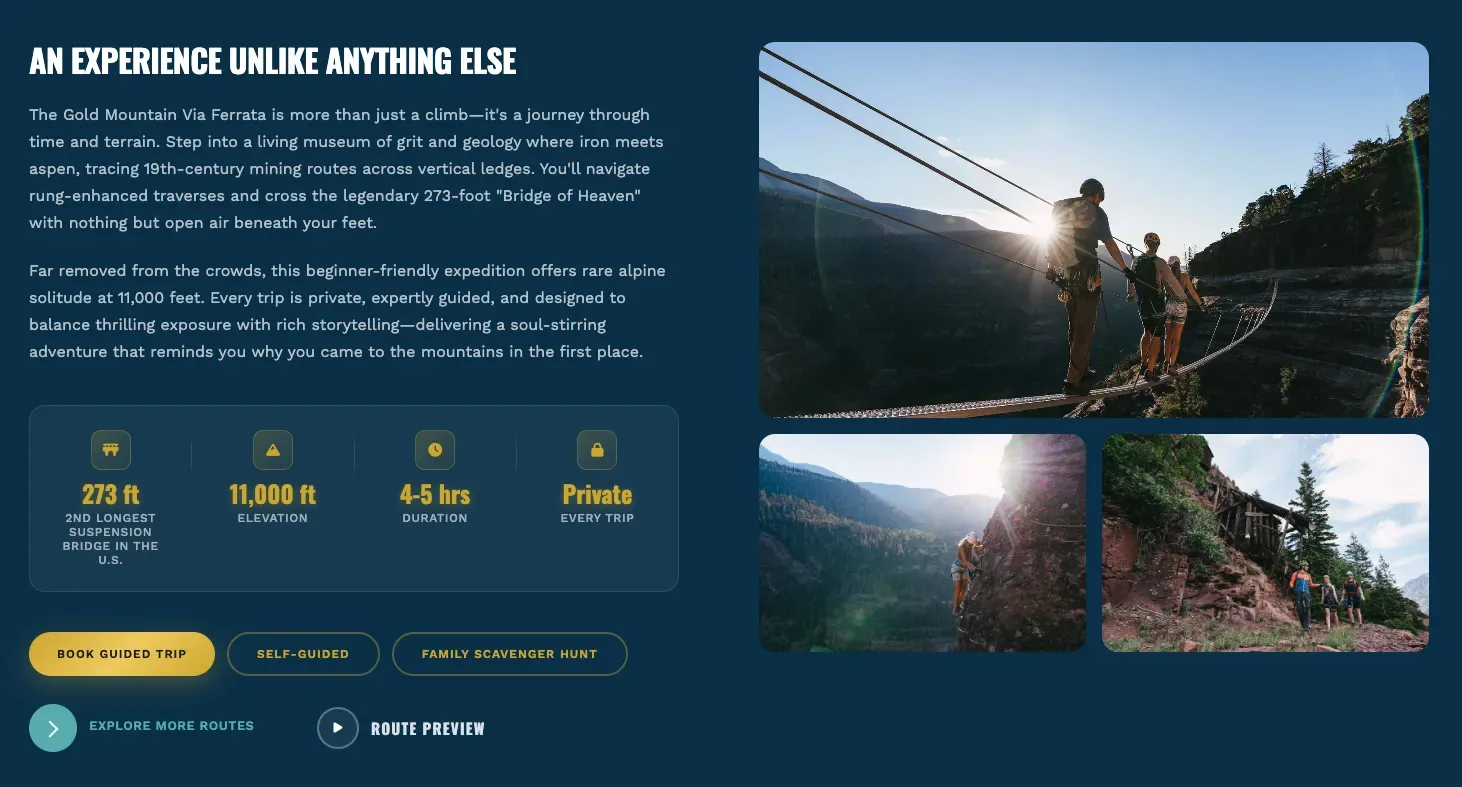
We've built this before, just not for a hotel: Basecamp Ouray, a climbing guide service in Colorado, takes bookings through its own booking software, Xola, with checkout on each trip page.

What the site is made of

A page for every room, with what guests check before they book

When your site can't answer a guest's question, they go back to the listing to check, and often book there. Our hotel web design puts that answer on your own page first.

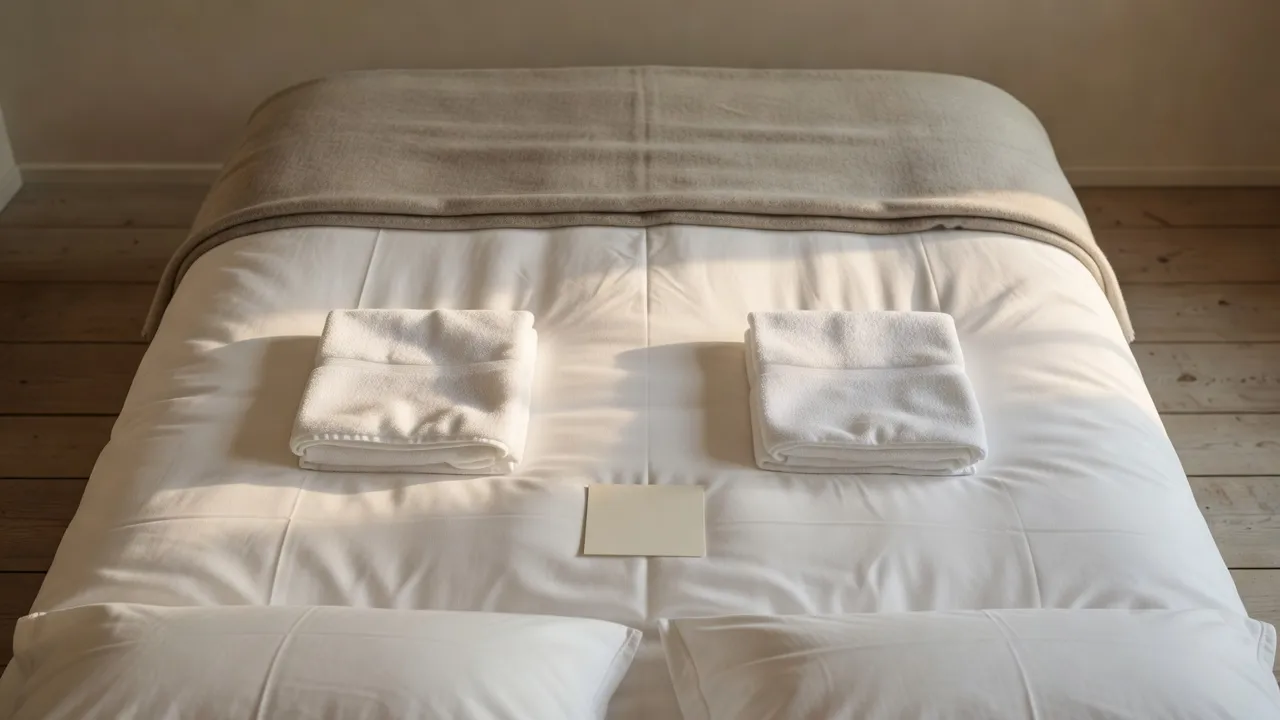
A made bed in a small inn room from above, two folded white towels and a blank card on the sheets in morning light
One room type, one page, your own photos

What every room page answers

Photos
Your own photos of that room, so they see what they'll walk into.
Beds
Which beds, and how many of them.
Sleeps
How many guests it takes, so nobody has to email to ask.
View
What's outside the window.
Accessibility
What the room has for a guest who needs it, said plainly.
Pets
Whether the dog can come along, and what that costs.
Parking
Where the car goes, and whether there's a charge.
Check-in and fees
Arrival and departure times, and any fees, before they reach checkout.
Book
Right beside all of it, so the answer and the button share one screen.

Pages for the reasons people come

Plenty of guests start with the place, not the hotel: a weekend in town, a day out nearby, a wedding. Each of those reasons earns its own page on your site.

  • /your-town/

    Your town

    Why it's worth the trip, and where your property sits in it.

  • /nearby/

    What's nearby

    Where your guests spend their days, and how far each place is from your door.

  • /weddings/

    Weddings and groups

    If you host them, a page that shows planners what fits and how to reach you.

Google reads it as a hotel from day one

From launch, your site follows Google's best practices: pages that load fast for a guest on a phone, a layout Google can follow, and structured data that tells Google this is a hotel.

The map is a job of its own. Here's how we handle showing up on Google Maps.

Why they book instead of leaving

Built so a guest on a phone books before they wander off

A guest weighing up your hotel on a phone is one tap away from the Expedia tab they came from. So every page is laid out on conversion psychology: the order a guest takes things in, and what each screen has to settle before Book feels like the obvious next tap.

  1. 01They'd leave when

    finding the price takes digging.

    The price is one tap from every room

    What a night costs is the first thing a guest wants to know. Your rates live in your own booking engine, so a Book button sits right beside every room: one tap opens the engine, and checking tonight's price never means going back to the OTA tab.

  2. 02They'd leave when

    the pictures could be any hotel.

    Your real photos, at the top of the screen

    People decide whether they like a place before they read a word about it. The first thing each page shows is your property as it really looks, not a stock lobby or a wall of text.

  3. 03They'd leave when

    they can't tell what to tap.

    One clear Book button, and nothing else asking for the tap

    One button, one word, in the same place on every page, low on a phone screen where a thumb reaches it without a stretch.

Quick on one bar of signal, for the guest booking from the road

Some guests book tonight's room from the passenger seat, between towns, on whatever signal they've got. Every page arrives on their phone already built, so it loads quickly on a weak signal, and on your end there are no plugins to update or theme to patch. That comes from the modern tool we build with, Astro.

What your site leaves out

  • Plugin updates

    No stack of plugins, each loading its own script and each waiting to be patched.

  • A slow theme

    No theme built to suit every business, carrying all of that weight onto every page.

  • Template limits

    Your pages are laid out around your rooms, not squeezed into what WordPress or a booking-engine site builder allows.

Built for traveler businesses

Two Ouray businesses that live on visitors

Neither of them is a hotel. Cahoots Tavern is a bar and Basecamp Ouray is a guided climbing service, both in Ouray, Colorado. They're here because their customers find them the way yours find you: as travelers, sizing the place up on a phone.

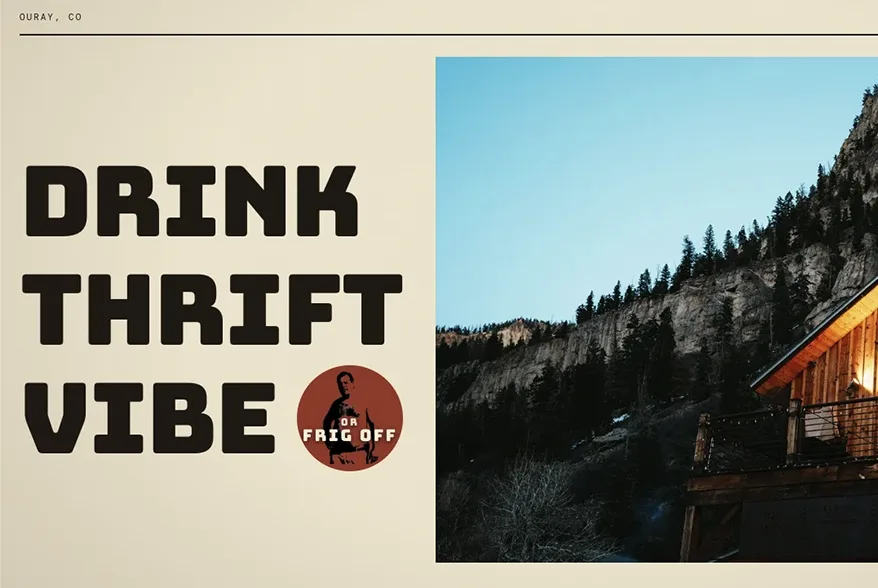
Cahoots Tavern homepage: Drink Thrift Vibe in heavy black type beside a photo of the tavern under an Ouray cliff
cahootstavernouray.com, home

A bar · Ouray, Colorado

Cahoots Tavern

Most of the people looking up this bar are road-trippers on their phones. We moved it from Squarespace to a custom site and kept every page small, so it opens quickly for someone deciding where to stop.

Our first call to their site going live
18 days
Score on Google's phone test for speed and qualityGoogle Lighthouse, mobile
99/100
Each page is small enough to open fast on a weak phone signalPage size, compressed
Under 250 KB
Basecamp Ouray via ferrata page: route stats, a Book Guided Trip button and climbers crossing a suspension bridge
basecampouray.com/via-ferrata/

A climbing guide service · Ouray, Colorado

Basecamp Ouray

Ice, rock, via ferrata and corporate trips each got a page of their own. Every one of those pages carries their booking software (Xola), so a visitor books the trip without leaving the page that sold them on it.

Pages, one for each adventure plus rentals and gift cards
12
Google reviews on the homepage
540
Same Google speed and quality test, on a phoneGoogle Lighthouse, mobile
99/100
Time to build
3 weeks

What carries over to your hotel

A guest on a phone who decides quickly, and a page that lets them book while they're still on it. Both sites were built around that, and it's the same job hospitality website design does for a hotel, with Book handing guests to the engine you already use.

Book a 30-minute call

Six steps, one launch day

How the site gets built, with two people you'll talk to

Your new site goes live about 60 days after the first call, and the one you have now stays up and taking bookings until the moment it's replaced. Start before your busy season, and it's finished before you're at your busiest.

Both sites, side by side, while the work happens

Your current site

Up and taking bookings

Your new site

On a preview link Live
  1. Half an hour on a call

    Over Google Meet, we hear about your property, your rooms and where your bookings come from today.

  2. Your price, fixed on paper

    One price for the whole site, in writing, and you'll have it within a week of the call. Work starts only once you've said yes to it.

  3. Pages written for your guests

    Our words come from the call, your Booking.com and Expedia listings, and the questions guests keep asking in your reviews.

  4. You click through the design

    It sits on a preview link, ready to open on your own phone, while guests carry on booking through the site you have now.

  5. Book buttons wired to your engine

    Every one opens the booking engine you already run. Rates, availability and the front desk's routine stay as they are.

  6. Your new site takes over

    About 60 days in, it takes the old site's place. There's no stretch in between where a guest can't book.

Two people handle all of our web design for hotels, from the first call to launch day: Kyle and Katie Rutten, husband and wife, who run Bullfinch together.

Kyle Rutten, who designs and builds Bullfinch sites, at a laptop in a bright brick-walled studio

Designs, builds, hosts your call

Kyle Rutten

The person on your 30-minute call is the person who designs every page of your site and then builds it, so what you say about your rooms never gets passed along to someone else. Websites have been his craft since he was 14.

Katie Rutten, who runs Bullfinch projects and accounts, at a laptop in a brick studio with arched windows

Runs operations and the schedule

Katie Rutten

Katie runs operations and accounts, so your project's schedule is hers. She keeps each step on its date, and when you want to know how the project is going or when the site goes live, she's the one who answers.

The number, before the call

What hotel website design costs

Plenty of agencies answer this with "it depends" and a form. Here is the range, what pushes a hotel's site up or down inside it, and why the figure in your quote doesn't creep once work starts.

Our published price range

$5,000 to $40,000

Your hotel gets one fixed price inside that range, written down within a week of the intro call.

Four things that set a hotel's price

  • How many room types and pages

    Every room type needs its own page, so a lodge with nine kinds of room is a bigger build than an inn with two.

  • More than one property

    A second inn brings its own rooms, its own photos and its own pages about the place it sits in.

  • Wedding, group or event pages

    If you host them, couples and group planners want pages written for the way they choose a venue.

  • How much of the writing we do

    We can write every page from the call and your listings, or build around words your team already has.

  • A fixed-scope quote, on paper

    Inside a week of our first conversation you'll have it in writing: which pages we build for your property, and the one price for all of them.

  • Hours never reach the bill

    There's no hourly rate on your project, so a question about the honeymoon suite page or an extra call about photos never turns into a new line on your invoice.

  • Yours to keep, all of it

    Your domain, the site's code and the hosting accounts belong to your hotel, not to us. Change who looks after the site one day, and there's nothing you need us to hand back.

Book a Call

Kyle hosts the 30-minute call. Your hotel's fixed quote arrives inside seven days of it.

To see what your fixed price pays for, read how we design and build your site, from first layout to launch.

Six plain answers

Questions hotel owners ask before they book a call

Before you hire a hotel website design agency, you'll want straight answers on Expedia, your booking engine, the price, the timing, the size of your place and who owns the result. Here they are, plainly.

Wondering about something that isn't here? Ask Kyle on the 30-minute call

Will guests actually book direct, or still go to Expedia?

Some will still book on Expedia, and you should keep your listings for them. What we build for is the guest who spots you on a listing and then looks you up by name to see the place for themselves. Your site answers what they came to check about the room and puts Book right beside it, so that stay is booked in your own engine and no OTA commission comes off it. We won't promise you a set number of direct bookings; we build every page to win that guest.

Do we have to switch booking engines or retrain the front desk?

No. You keep the booking engine you have, and your rates, availability and front-desk routine stay exactly as they are. Every page on the new site has a Book button that opens your engine, and if your engine can take dates in its link, a guest's chosen nights arrive already filled in. We don't offer booking engines or channel managers, so there's nothing for you to switch to.

What will it cost, and will the price creep once you start?

For most of the sites we build, the price lands between $5,000 and $40,000. For a hotel, the figure depends on how many room types and pages you need, whether there's more than one property, whether you host weddings, groups or events, and how much of the writing we do. After the intro call, the scope and its fixed price come to you in writing within a week, and nothing starts until you've agreed to them. We don't charge by the hour, so the price in that quote doesn't grow while we build what it covers.

How long will it take, and will it be live before our busy season?

About 60 days from the first call to launch day, so a call two months or more ahead of your busy season should have the new site live before it starts. Your current site stays up and keeps taking bookings the whole time. You look over the new design on a preview link, and it takes the old site's place on launch day with no gap where a guest can't book.

We're a small inn or B&B. Is this only for big hotels?

No. A small inn needs the same things a big hotel does: a page for each room, the answers guests check before they book, and a Book button that opens your engine. Bed and breakfast website design usually means fewer room types and fewer pages, and fewer pages costs less, so a small property usually sits toward the lower end of our range.

Do we own the site, and can our staff update it?

Yes to both. The domain is yours, and so are the site's code and the hosting accounts. Your staff sign in to an admin panel that lays out each page's words and photos as plain, labelled fields, so changing a package, a photo or a line of text means editing a field and saving it, with no code. Rates and availability stay in your booking engine, where you already manage them.

Hotel website design

Book thirty minutes about your hotel's website

Kyle walks through your property's site with you on Google Meet. You leave the half hour knowing three things.

  1. Where your site loses bookers

    The pages where a guest looking at your rooms gives up and goes back to the Expedia tab.

  2. Which rooms and dates you want booked direct

    The room types and weeks you'd most like to see land in your own booking engine instead of on an OTA statement.

  3. What a new site would need, and the price

    The pages your property needs and what moves its price, so the written quote holds no surprises.

If we talk this week

  • This week Your call with Kyle
  • Within 7 days Your fixed price, written down
  • About 60 days on Your new site starts taking bookings

Count back about 60 days from your next busy stretch. That's the latest this call should happen.

30 minutes Google Meet With Kyle

Loading availability